Introduction
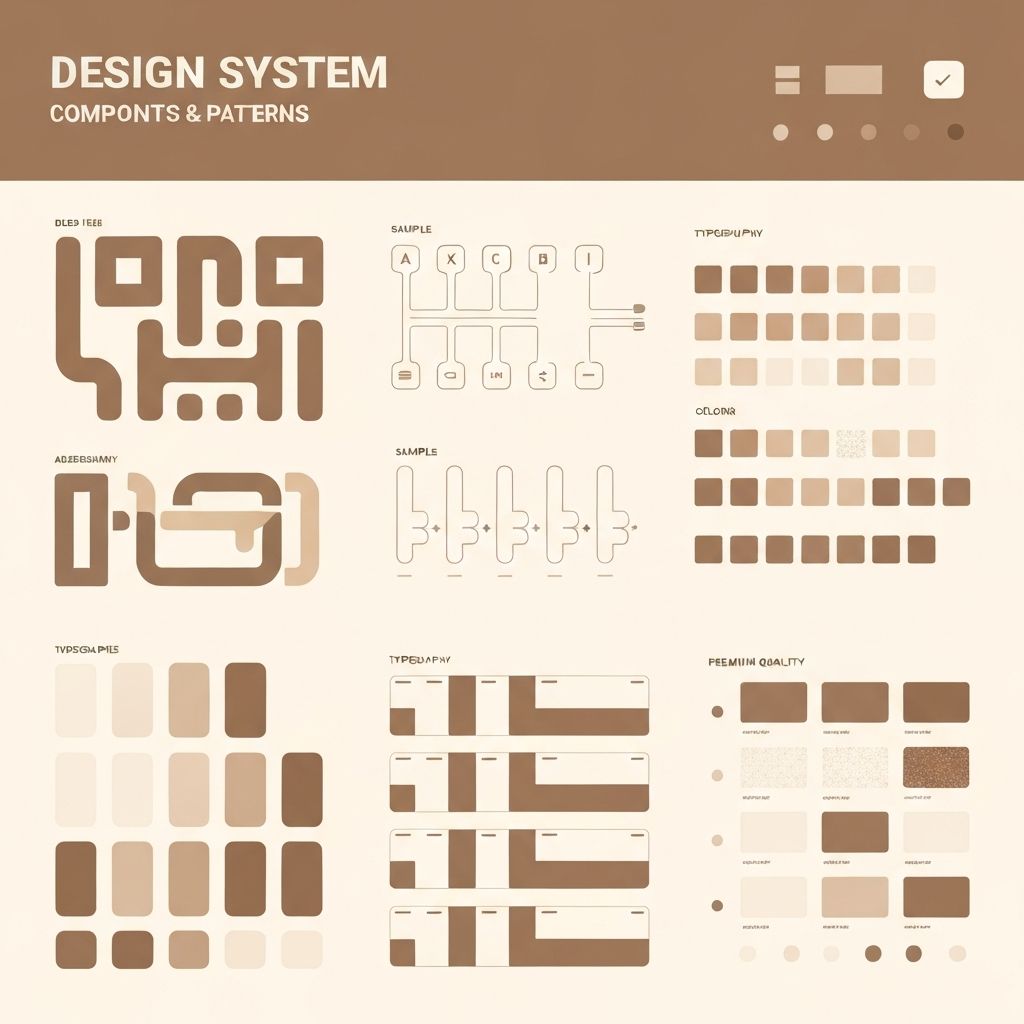
Design systems have become essential infrastructure for modern product organizations. But building a design system that works for a handful of designers is very different from one that serves hundreds of teams.
This article shares lessons learned from scaling our design system to serve over 200 product teams and millions of end users.
The Challenge of Scale
When we started, our design system was a small library of components used by a single product team. As the organization grew, so did the demands on our system.
Growing Pains
The first signs of trouble appeared when different teams started forking components to meet their specific needs. What began as minor modifications quickly led to fragmentation, with multiple incompatible versions of core components in production.
The Turning Point
We realized we needed to fundamentally rethink our approach. A design system at scale isn't just a component library—it's a product with its own users, roadmap, and support structure.
Governance and Decision-Making
One of the most important changes was establishing clear governance structures.
The Design System Council
We created a cross-functional council with representatives from design, engineering, and product. This council makes decisions about new components, breaking changes, and strategic direction.
Contribution Model
We developed a clear contribution model that allows teams to propose new components or modifications. Contributions go through a review process that evaluates:
- Alignment with design principles
- Accessibility compliance
- Performance impact
- Documentation quality
Versioning and Migration
Managing versions across hundreds of consumers is one of the biggest challenges at scale.
Semantic Versioning
We strictly follow semantic versioning, with clear definitions of what constitutes major, minor, and patch releases. Breaking changes are only allowed in major versions and require migration guides.
Codemods and Automation
To make upgrades manageable, we invest heavily in automated migration tools. Codemods handle the mechanical aspects of updates, allowing teams to focus on testing and edge cases.
Accessibility at Scale
Accessibility cannot be optional in a design system. We made it a first-class concern.
Built-in Accessibility
All components meet WCAG 2.1 AA standards by default. We test with screen readers, keyboard navigation, and various assistive technologies as part of our CI pipeline.
Documentation and Training
We provide comprehensive accessibility documentation for each component, including guidance on proper usage and common mistakes to avoid.
Measuring Success
Understanding the impact of our design system required developing new metrics.
Adoption Metrics
We track adoption across teams, including:
- Number of teams using the system
- Percentage of UI built with system components
- Time from design to implementation
Quality Metrics
We also measure quality indicators:
- Accessibility audit results
- Performance benchmarks
- User satisfaction scores
Conclusion
Scaling a design system is as much about people and processes as it is about code. The technical foundation matters, but success ultimately depends on building trust, establishing clear governance, and continuously investing in the experience of your users—the designers and developers who build with your system every day.